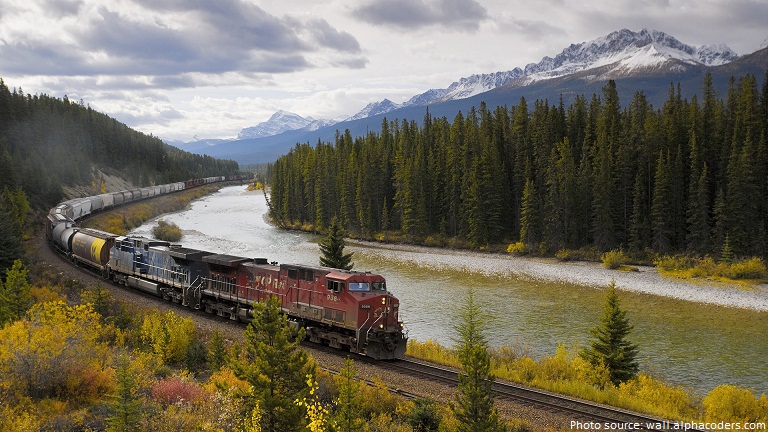
Earliest recorded examples of an internal combustion engine for railway use included a prototype designed by William Dent Priestman, which was examined by Sir William Thomson in 1888 who described it as a “[Priestman oil engine] mounted upon a truck which is worked on a temporary line of rails to show the adaptation of a petroleum engine for locomotive purposes.”.[49][50] In 1894, a 20 hp (15 kW) two axle machine built by Priestman Brothers was used on the Hull Docks.[51]
In 1906, Rudolf Diesel, Adolf Klose and the steam and diesel engine manufacturer Gebrüder Sulzer founded Diesel-Sulzer-Klose GmbH to manufacture diesel-powered locomotives. Sulzer had been manufacturing diesel engines since 1898. The Prussian State Railways ordered a diesel locomotive from the company in 1909. The world’s first diesel-powered locomotive was operated in the summer of 1912 on the Winterthur–Romanshorn railway in Switzerland, but was not a commercial success.[52] The locomotive weight was 95 tonnes and the power was 883 kW with a maximum speed of 100 km/h.[53] Small numbers of prototype diesel locomotives were produced in a number of countries through the mid-1920s.
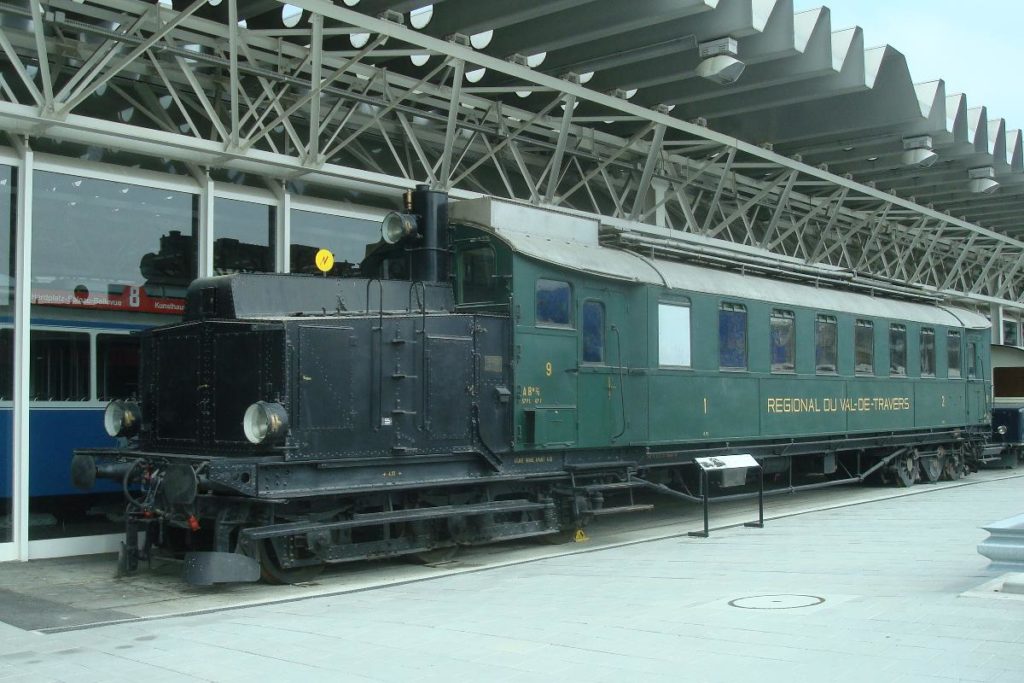
Poland restored its own independence as the Second Polish Republic in 1918 from the German, Austro-Hungarian and Russian Empires. First Polish locomotive Ok22 (100 km/h) started operating in 1923. Imported electric locomotives English Electric EL.100 (100 km/h) were in use in Warsaw since 1936. New Polish locomotive Pm36-1 (140 km/h) was shown at the International Exposition of Art and Technology in Modern Life in Paris in 1937. New Polish electric locomotive EP09 (160 km/h) was designed in 1977 and started regular operation linking Warsaw and Kraków in 1987. On 14 December 2014 PKP Intercity New Pendolino trains by Alstom under the name ‘Express Intercity Premium’ began operating on the CMK line (224 km line from Kraków and Katowice to Warsaw) with trains reaching 200 km/h (124 mph) as a regularly scheduled operation.
Trains are built to transport passengers or cargo along rail tracks.
Trains can be powered by a variety of energy sources including steam, diesel and electricity.
The development of the steam locomotive in the early 19th century transformed the world, carrying people and goods at unprecedented speeds around the globe.A steam locomotive generally burned coal in a furnace, or “firebox” and the fire heated water in a boiler to make steam.The steam was fed into cylinders to drive movable roads called pistons, and motion of the pistons was used to turn the wheels.
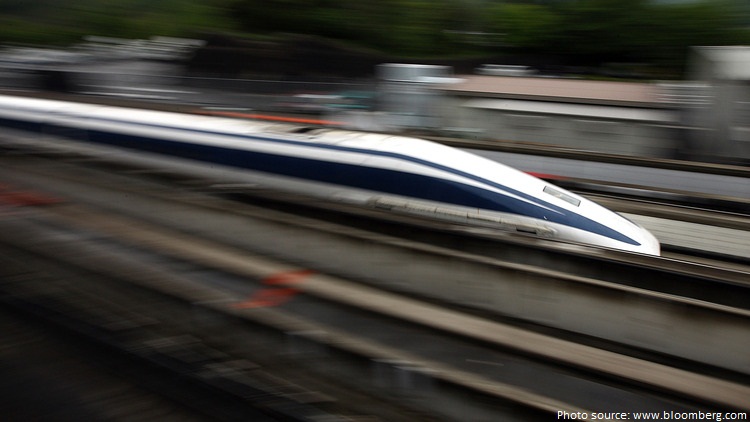
First high-speed trains ware Japan’s electric “bullet trains” running between Tokyo and Osaka in 1964.
Japan’s new magnetic-levitation bullet train is now the fastest in the world. Japan Railways’ latest mag-lev bullet train just broke its own record as the fastest train in the world. The bullet train travelled at 603 kph (374 mph), blowing through last week’s top speed of 590 kph (366 mph). Apr 22, 2015